I still bear in mind the first time I enjoyed a person freeze in an emergency.
We remained in a workplace cooking area, an associate started choking on a piece of apple, and 3 grownups simply stared at each various other for a few secs that really felt much also long. No person was passionless. They were horrified of doing the incorrect thing.Fortunately, someone had done a recent first aid and CPR course and actioned in rapidly. A couple of company back blows, the airway gotten rid of, and the incident ended with shaky giggling as opposed to a 000 telephone call. What stayed with me was not simply how reliable the treatment was, yet just how normal the rescuer was: not a paramedic, not a nurse, simply someone who had actually taken fast first aid training seriously.
That is the actual promise of fast first aid courses and express CPR training. They do not turn you into a medical professional. They move you from panic to prepared in the minutes that matter.

Why "fast" first aid is not a shortcut
When people hear "fast first aid course" or "express first aid training", they commonly think of something thinned down. A tick-the-box session where you see a video, sign a form, and walk away with a first aid certificate you will barely remember.
The fact, in well created programs, is really different.
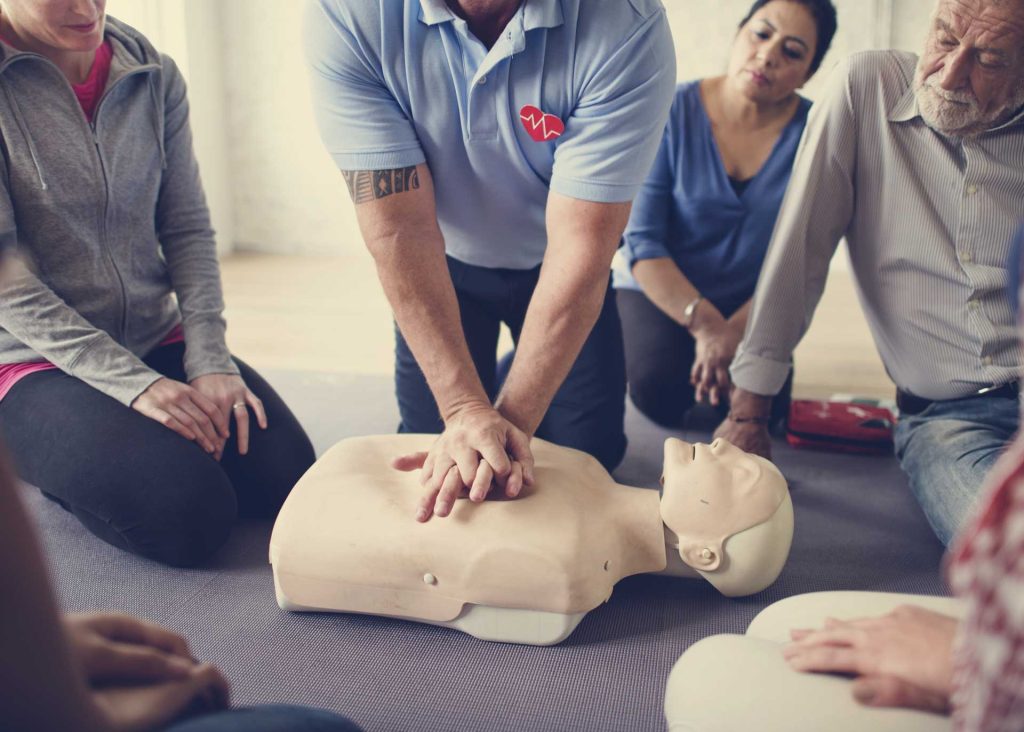
Fast first aid and CPR courses have to do with efficiency, not corner reducing. They concentrate on the small number of actions that make an out of proportion distinction in the very first couple of mins of an emergency, and they press the non-essential information. Rather than long concept talks, you get targeted situations, muscular tissue memory technique, and choice making drills.
In my experience both as a fitness instructor and as someone who has made use of these abilities in actual events, a good fast first aid course prioritises 3 points:
- Rapid acknowledgment of what is wrong: heart attack, choking, extreme blood loss, anaphylaxis, reduced consciousness, warm illness. Simple, repeatable reactions: just how to begin CPR, just how to utilize an AED, just how to quit bleeding, how to position someone that is unresponsive yet breathing. Confidence under stress and anxiety: breaking that reluctance where people stress extra concerning slipping up than about doing something helpful.
Where much longer first aid courses and innovative programs go deeper right into pathophysiology and vast array scenarios, express first aid courses concentrate on the traditional emergency situations that eliminate quickly if no person acts. That is exactly what most offices, moms and dads, educators and sports trainers need.
The first three mins: why speed matters
Most people undervalue just how promptly a scenario can wear away. They visualize that if something significant takes place, a rescue will get here in time to repair it.
Response times vary by area, yet even in urban locations, you are commonly looking at 8 to 12 mins before a staff reaches you, in some cases longer. In cardiac arrest, each minute without CPR and defibrillation can minimize survival possibilities by approximately 7 to 10 percent. By the time the professionals get here, the end result is greatly influenced by what occurred in those first couple of minutes.
The very same pattern appears throughout various other emergency situations:
Cardiac apprehension: Breast compressions and early defibrillation hold the line till paramedics arrive. Premium quality bystander CPR can increase or triple survival chances.
Choking: A fully blocked respiratory tract is measured in secs and really few mins, not in quarter hours. Waiting on a rescue without trying back blows or abdominal drives is basically choosing not to act.
Severe bleeding: Uncontrolled outside bleeding can lead to shock in minutes, specifically in youngsters and smaller sized grownups. Basic stress and elevation can keep somebody active enough time to get to hospital.
Anaphylaxis: An EpiPen or other adrenaline vehicle injector utilized at the very first indicators of a severe allergy is commonly the difference in between a frightening episode and a fatal one.
Fast first aid training and express CPR courses focus non-stop on this very early window. They do not guarantee to replace paramedics. They exist to construct a bridge in between the minute an incident takes place and the minute educated medical professionals can take over.
Why short, focused courses help hectic people
Over the years, I have fulfilled a lot of people who wanted first aid and CPR training however kept putting it off. Their reasons were predictable: no time, excessive content, fear it would certainly all be forgotten. When fast first aid courses and express CPR courses became more common, that obstacle dropped.
There are a number of benefits to short, well organized programs.

First, they in fact obtain done. A four hour express first aid course on a weekday evening or Saturday early morning is practical for many adults with tasks, family members, or change job. A full two day first aid and CPR course commonly is not, unless the company mandates it and offers paid time off.
Second, individuals maintain what they make use of. When training shifts from lengthy talks to short, practical drills, participants are a lot more likely to remember the core activities. I have seen individuals months after an express cpr course still able to speak through the steps comfortably and with unexpected detail.
Third, fast certification refreshers get rid of the sense of guilt barrier. When your first aid certificate is about to expire, it is less complicated to sign up for a fast CPR refresher course than to duplicate a long, extensive program. Many organisations currently utilize brief yearly first aid and CPR training classes, with periodic longer updates every few years.
There is also a mental advantage. Knowing that the dedication is restricted makes people extra ready to first aid certificate Sunshine Coast engage fully and ask questions. They are less most likely to mentally drift, which boosts learning also in a pressed format.
What a solid fast first aid course ought to include
Not all fast first aid courses are equal. Some are merely cut down variations of larger programs, where content is gotten rid of without redesign. Others are constructed from the ground up with clear priorities and wise use time.
When you look for a fast first aid course near me or search for express first aid training options, look for these core elements:
- Practical CPR training on adult manikins, and preferably youngster and baby versions. Use of an AED, consisting of pad placement, transforming it on, and following prompts. Primary survey abilities: checking for risk, responsiveness, airways, breathing and circulation. Management of choking in grownups and children. Basic blood loss control, consisting of straight stress and straightforward dressings.
Some service providers also consist of quick components on burns, fractures, seizures, asthma and anaphylaxis. Those are valuable, however they should not crowd out the basics over. I prefer to see someone definitely positive in basic CPR and choking administration than vaguely acquainted with twenty various conditions.
For moms and dads or instructors, express childcare first aid courses include an additional layer: kid particular situations, infant CPR, allergic emergencies in childcare settings, and head injuries from typical falls. In very early years environments where children discover vigorously and usually unpredictably, that targeted content addresses really actual risks.
The duty of blended and express formats
In the last decade, blended knowing has actually transformed first aid training. Instead of spending a full day in a classroom, participants total theory modules online, then attend a much shorter personally session focused on technique. This strategy fits fast first aid courses particularly well.
Here is why mixed or express first aid courses frequently surpass purely typical formats.
The online web content can be taken another look at. People finish the concept modules at their very own speed, rewind complex sections, and also assess them once again after the course finishes. This helps with long-term retention.
The personally time is invested in doing, not sitting. When individuals already comprehend basic ideas from the digital product, the in person component can concentrate on abilities: compressions, rescue breaths, AED method, recovery setting, bandaging, EpiPen use, duty plays.
The timetable becomes versatile. Providers can provide night first aid and cpr course Brisbane express CPR courses or short, concentrated first aid and CPR training classes that fit around busy days. It likewise makes express child care first aid training extra easily accessible to teachers who can not conveniently leave their class for complete days.
An example is the fast CPR design currently typical in numerous organisations. Staff complete a short online CPR concept module, commonly 30 to 60 mins, after that participate in a affordable CPR first aid courses 60 to 90 minute useful session where they demonstrate abilities and obtain mentoring. The outcome is a fast certification that still stresses quality.
When "fast" is not nearly enough on its own
Fast first aid and express CPR make sense in lots of contexts, however they are not the whole story.
Certain functions genuinely call for much deeper first aid training and wider scenario insurance coverage. Remote area employees, outside leaders, sports trainers handling call injuries, and high threat markets commonly require extended first aid courses or wilderness-oriented programs. These dive into longer term treatment, back preventative measures without instant rescue access, hypothermia and hyperthermia in genuine field conditions, and improvisation when basic materials are scarce.
There is also a difference in between first understanding and ability proficiency. A single express cpr course will absolutely boost your capability to react. Nevertheless, the finer factors of compression deepness, recoil, price and minimal disruption take repetition to install. This is why normal fast cpr refresher courses are so useful. Short, concentrated refreshers substance gradually, obtaining you closer to the performance degrees that studies relate to better survival outcomes.
In some organisations, a layered model works finest. A wide group of staff finish a fast first aid course to cover the fundamentals, while a smaller group takes on more advanced training and acts as marked first aiders. That mix appreciates budget, time and danger management at the same time.
The psychological side of first aid
Technical skills are only half the tale. I have actually seen capable individuals falter not because they did not understand what to do, however since they hesitated of the emotional weight.
Fast first aid training that ignores the psychological facet does its pupils a disservice. On the other hand, the best first aid and CPR courses weave in state of mind, communication and self management.
Several themes turn up repeatedly in real emergencies.
Doing something is almost always better than doing nothing. Public are afraid concerning lawful liability or "making it even worse" maintains several onlookers back. In many territories, good Samaritan defenses and fundamental common sense make it very not likely that an affordable effort to aid will certainly result in difficulty. Fast first aid courses that review this freely cost-free individuals to act.
Calm is infectious. You do not need to feel calm to appear and act tranquility. Straightforward methods like talking slowly, designating jobs ("You, call 000", "You, obtain the first aid set"), and using the casualty's name makes a big distinction to every person at the scene.
Aftercare matters. Also when points work out, reacting to a serious incident can leave you drunk. Good training explicitly motivates debriefing, rest, and, when needed, professional support. Companies should anticipate to support personnel who have simply done CPR on a coworker or took care of a traumatic injury.
Fast courses have restricted time, yet they can still normalise these truths. A few minutes invested talking about real feelings, not simply textbook procedures, can be the distinction in between concept that breaks down under stress and abilities that hold up when a youngster is turning blue or a co worker has actually collapsed.
Choosing the best company and course
With the development of fast first aid courses and express CPR training, the range of carriers has actually blown up. When you look for a fast first aid course near me you will see everything from lengthy established training organisations to small private outfits that rent out a space in a recreation center once a month.
A couple of sensible checks help separate strong options from weak ones.
Look for across the country acknowledged or certified training. In several nations, first aid and CPR certificates are standardised under a nationwide framework. Ensure your first aid course or express cpr course leads to a recognised first aid certificate, particularly if you require it for work, childcare, education or expert registration.
Check the fitness instructor's background. A great facilitator does not have to be a paramedic, yet real professional or frontline experience aids. Instructors who can claim, "In one incident I participated in, this is how it played out," have a tendency to deliver more based, sensible sessions.
Ask just how much hands on method is consisted of. A fast first aid course built mainly around slides and video clips will certainly not offer you well. You need to be touching manikins, exercising healing positions, dealing with training car injectors and bandages.
Review the equilibrium of online and face to face web content. Mixed is fine, yet if the face to face component is extremely brief, you take the chance of winning even more concept than useful skill. For CPR training specifically, you desire enough time to repetitively practice compressions with feedback.
For child care workers, validate that the course is customized. Express child care first aid courses ought to deal with child and infant specific concerns, not simply rebrand a generic grown-up course.
What to do after your fast first aid course
One of the most common regrets individuals show to me after a case is, "I did the training, however I had actually not thought of just how it would work here." They passed their first aid and CPR course, after that submitted the certificate away and never ever linked the dots to their actual environment.
The days immediately after your fast first aid course are the perfect time to secure what you learned.
An easy article training list can keep your skills to life:
- Walk with your home, office, sports club or childcare setup and recognize first aid kits, AED places and likely hazards. Share bottom lines with someone else, even for ten mins. Teaching, or a minimum of describing, reinforces your very own memory. Program regional emergency numbers and crucial contacts into your phone if they are not already there. Schedule your next fast cpr correspondence course or first aid refresher right into your calendar so it does not approach on you. If you are in a management duty, integrate straightforward first aid drills right into group conferences or security briefings a couple of times a year.
Some people likewise such as to keep a short recap card in their purse or phone, noting CPR actions, choking procedure, and anaphylaxis monitoring. It is not a substitute for training, however it sustains recall under stress.
The quiet worth of normal preparedness
First help is not attractive. There is no social media sites badge for having completed fast first aid courses or express first aid training. Yet in situation minutes, average individuals with standard skills frequently identify whether a person lives long enough for sophisticated care.
I have actually seen moms and dads comfortably start compressions by themselves young adult while waiting for an ambulance. I have actually enjoyed an instructor in a childcare facility make use of an EpiPen on a child going into anaphylactic shock with a calmness that would certainly excite any type of clinician. I have seen spectators at a park arrange themselves around a heart attack prior to paramedics got here, merely since one of them had done a recent fast CPR course and remembered the crucial steps.
In every instance, the people included defined themselves before the occurrence as "not medical", "not truly certain", or "just a mother/ just an instructor". What transformed their behaviour in the minute was not a deep study anatomy, however the memory of one clear, succinct first aid and CPR course that had pierced the essentials.
That is what fast first aid deals: not perfection, yet enough. Sufficient knowledge to acknowledge trouble early. Enough practice to relocate your hands even while your heart is competing. Enough confidence to bypass need to stand back and wait for someone "extra qualified".
Emergencies do not make appointments. They show up in kitchens, play grounds, offices, gyms, and parking lot, at times that overlook your routine and your comfort degree. When that takes place, you do not climb to the level of your ideal intents. You are up to the level of your training.
A couple of hours invested in a well run fast first aid course or express CPR course is a moderate investment for that type of safeguard. For your associates, your household, your neighborhood, and, quite perhaps eventually, for you.